
Repair is the first step. Before furniture can move into a new project, its identity, condition and components need to be documented, with clear follow-up checks and responsibilities.
Furniture returning to use often moves between rooms, teams and responsible people. A repair addresses a particular issue; the item's overall condition, complete configuration and suitability for its next setting need to be considered as well. The next handover depends on those checks as well as the repair itself.
In June 2026, Herman Miller introduced Aeron Refurbished, describing a programme of inspecting and refurbishing recovered chairs for resale in the United States and Canada. This case illustrates redelivery as a process. The following discussion considers how to retain the basis for assessment and handover through that process.
Meichun observations · 01
Establish identity when furniture is recovered.
Furniture with a similar appearance can have different models, connections and histories. Link the item identity, version, known work, missing parts and visible issues before deciding how to unify its surface appearance. Natural grain and old photographs can support identification alongside the product records.
If a set of cabinets is moving to a new project after an office change, identify them before refinishing. Keeping the original markings and configuration records helps reveal differences in fixing holes or accessories before installation. Then define the work needed for each version.
Meichun observations · 02
Inspection sets the scope, repair performs the work and review checks the result.
Keep separate records for these three stages. Inspection describes findings and the matters still to assess; repair records the actual changes; review identifies the method and person confirming the resulting condition. Together they give the next service team a clear account of decisions and work.
Maintenance may involve surfaces, structure and accessories, restoring appearance as well as usability. Record surface treatments, connection work and accessory replacements separately so later maintenance can continue with the accurate version.
Keep previous changes, current accessories and repair steps in one record so the recipient understands the furniture version and subsequent maintenance arrangements.
Meichun observations · 03
Link replacement parts to the original version.
Obtaining a part solves the supply requirement. Suitability for the item also depends on its version and interfaces. Similar shapes or dimensions may have different connections, materials or intended positions. Link the replacement record to the product identity and the purchased part.
Retaining component relationships during development reduces later work to identify an old part. Discuss spare-part ranges, availability, alternatives and service periods specifically so the service arrangements remain clear.
If a replacement changes the configuration, record what remains and what changes, then check the resulting state. Update the applicable product information with the responsible team so the current components and stated configuration correspond.
Meichun observations · 04
Check suitability for the next project.
The next project may change participant numbers, equipment, layout, intensity of use or building connections. Transport and disassembly may also affect condition. Assess adoption against the new intended use together with the original acceptance record.
Internal reuse and a new commercial delivery require different information. Internal transfer needs the manager's inspection and operating arrangements. Commercial delivery also needs a clear account of the item's condition, actual refurbishment and responsibilities. Identify refurbished items and their components accurately for the receiving team.
If the project requires particular tests or documents, match them to the current item and its processed condition. Link the relevant files through the model, configuration and work record for review and handover.
Meichun observations · 05
Assign a clear route to each recovered item.
Identity, key components and the condition after processing guide the next step. An item needing further identification, replacement parts or specialist assessment should enter the appropriate route before redelivery is considered.
Different items in the same batch can follow different routes: some continue in use, some wait for parts and others go to professional assessment. Record these states distinctly so items still needing work remain separate during handling.
Keep items awaiting work, available for further review and approved for adoption identifiable in storage and records to prevent similar-looking pieces being sent together by mistake.
Meichun observations · 06
Evaluate environmental and cost benefits through the actual process.
Extending opportunities for use is valuable, and the actual benefit depends on transport, replacement materials, processing, disposal and the duration of reuse. Keep these records together to evaluate carbon, cost and service-life outcomes for the specific process.
For furniture to stay useful over time, people need to be able to identify it, check its condition and trace responsibility after it changes. A clear record of the repaired configuration gives the next handover a basis beyond simply stating that the item has been fixed.
PRACTICAL CHECKLIST
Bring these questions to the table.
Use these points to discuss product selection, configurations and the requirements of your project.
- 01Item identity
Link the model, version, missing parts and previous work.
- 02Work records
Record inspection, repair and review separately, retaining the matters still to assess.
- 03New project conditions
Review the intended use, configuration and installation environment for the new project.
- 04Responsibilities and service
Clarify condition, the replacement-part range and responsibility for subsequent work.
Official brand product information informs the discussion of office furniture and space. Meichun perspectives and manufacturing notes express our views on products and making.
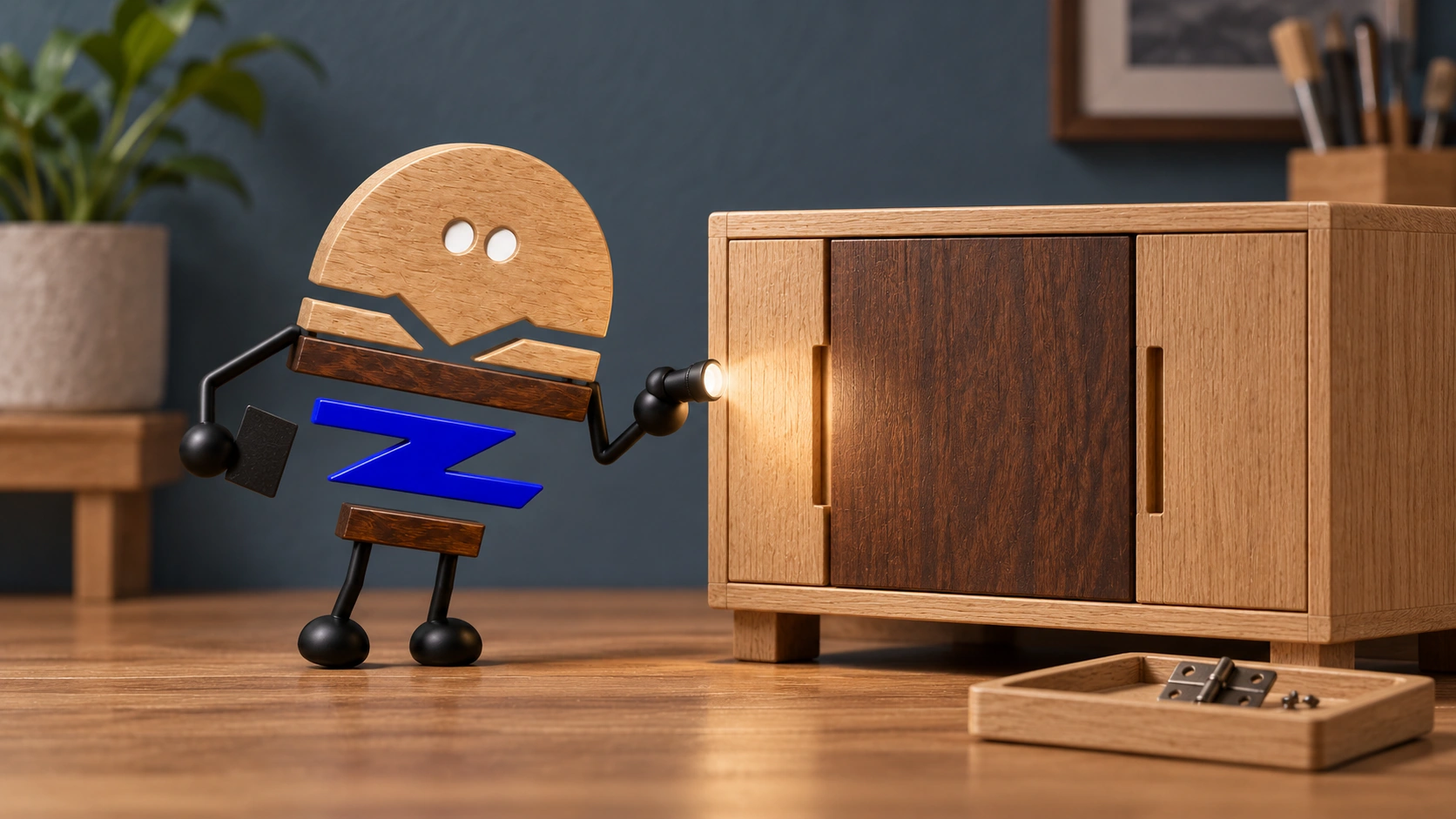
Original illustrations use the Meichun logo character and furniture to introduce product, component and spatial relationships.
- MillerKnoll / Herman Miller|Herman Miller introduces Aeron Refurbished · 2026-06-22
The brand introduction describes an inspection, refurbishment and resale programme in the United States and Canada, providing a case for discussing the redelivery process.
View official source ↗ - Meichun|Meichun observations on selection and manufacturing · 2026-10-04
Meichun shares perspectives on selection and configuration through use scenarios, product relationships and manufacturing methods. Original illustrations introduce the arrangement of furniture, components and space.